RAMONA ORTEGAAI ENABLED. HUMAN FOCUSED.

SYSTEMS THINKING FOR AI / WITH RAMONA ORTEGA

ReWire™

Think in systems.
Work with AI.

Learn how AI works, how to give it useful direction, and how to build a process you can trust. A practical starting point for your next chapter—or your next business system.

For curious people, small-business owners, and teams. Designed for non-technical learners.

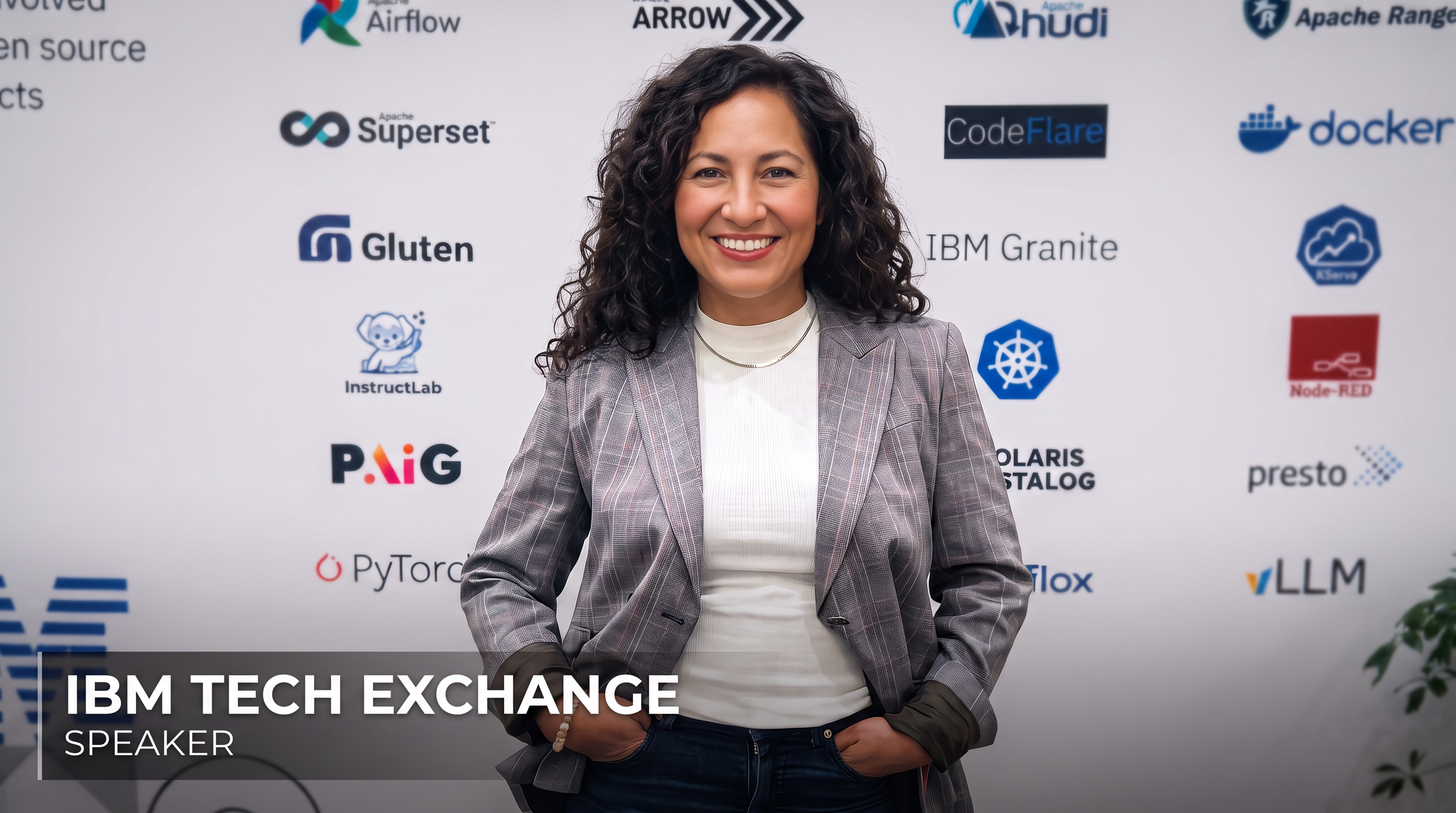
Ramona Ortega in front of an IBM Tech Exchange technology backdrop
YOUR INSTRUCTOR / RAMONA ORTEGA, J.D.
AUTHENTIC INTELLIGENCE.HUMAN JUDGMENT.PRACTICAL SKILLS.

01 / WHY THIS MATTERS

Structure is the love language of AI.

A useful AI result starts before you type a prompt. It starts with a clear question, the right context, and a way to decide whether the answer is any good.

Systems thinking helps you see how the pieces connect: information, decisions, people, tools, and feedback. ReWire turns that way of thinking into a practice you can use as the technology changes.

02 / TWO WAYS IN

Your starting point.
Your next possibility.

01

FOR INDIVIDUALS

Systems Thinking AI Fundamentals

Build the confidence to understand AI, ask better questions, and make informed choices about how you use it.

  • Make sense of models, context, workflows, and agents in plain language.
  • Turn scattered notes and sources into a useful research or learning process.
  • Practice reviewing outputs and knowing when human judgment matters.

A foundation you can bring to your work, learning, or personal projects.

Find out more ↗

02

FOR SMALL-BUSINESS OWNERS

Rewiring Your Business for AI

See how your business actually runs—and where a clearer process could create capacity, improve service, or reveal a new opportunity.

  • Map recurring work, from customer inquiries to proposals and follow-up.
  • Organize business knowledge, rules, and examples before connecting tools.
  • Prioritize a useful pilot and measure quality, effort, and business value.

A practical path from an operational pain point to a tested system.

Find out more ↗

03 / WHAT YOU TAKE WITH YOU

A way to think.
A toolkit to use.

The curriculum pairs concepts with exercises and reusable templates. You practice on a project that matters to you; the scope of the build depends on your learning path and class format.

A systems map

Capture the trigger, inputs, decisions, handoffs, and outcome of a real process.

A context packet

Organize the references, examples, rules, and definitions your AI needs.

An AI-ready project brief

Define the problem, boundaries, tools, and standard for a useful result.

A test and review plan

Check normal cases, missing information, and exceptions before relying on an output.

A practical next-step plan

Choose what to try, how to measure it, and when to improve or stop.

A shared AI vocabulary

Understand the building blocks well enough to choose tools and talk with collaborators.

04 / SAMPLE CURRICULUM

Six units.
A connected picture.

This sample follows the six-unit curriculum. Lessons and project depth are adapted for the audience and delivery format; the final class schedule is shared before enrollment.

01FoundationsUnderstand the system before choosing the tool.

WHAT IT COVERS

AI capabilities and limits; models versus interfaces; systems mapping; choosing a useful, low-risk starting point.

SAMPLE PRACTICE

Map one recurring task and write a clear opportunity brief.

02Context & MemoryGive AI something useful to work with.

WHAT IT COVERS

Context, memory, reliable knowledge sources, examples, data quality, and what information should persist.

SAMPLE PRACTICE

Build a context packet with approved sources and examples of good work.

03WorkflowsTurn repeat work into a repeatable process.

WHAT IT COVERS

Standard operating procedures, reusable skills, triggers, decisions, exceptions, and connections between tools.

SAMPLE PRACTICE

Write an AI-ready procedure for your chosen project.

04Agents & ArtifactsLearn what to delegate—and what to keep.

WHAT IT COVERS

Workflows versus agents; permissions and approvals; useful outputs such as briefs, reports, and dashboards.

SAMPLE PRACTICE

Create a delegation brief defining the goal, tools, boundaries, and output.

05Guardrails & Vibe CodingBuild with judgment from the beginning.

WHAT IT COVERS

Human review, privacy, permissions, testing, and the basics of creating interfaces with AI assistance.

SAMPLE PRACTICE

Test a prototype or specification against missing data and an unsafe request.

06Analytics & CapstoneLearn from what actually happens.

WHAT IT COVERS

Quality, time, cost, adoption, feedback loops, documentation, and deciding when to expand a pilot.

SAMPLE PRACTICE

Assemble your project portfolio and a measurable pilot plan.

05 / THE REWIRE METHOD

A practice you can repeat.

Use these six steps to move from a question to a working approach. Return to them whenever the context, tools, or goal changes.

  1. R

    Recognize

    Choose a meaningful outcome and define the problem.

  2. E

    Expose

    Map what happens now, including the hidden decisions.

  3. W

    Write

    Make context, rules, and “good” explicit.

  4. I

    Integrate

    Connect tools, information, and human approvals.

  5. R

    Run & Review

    Test real examples and examine the results.

  6. E

    Expand

    Reuse what works, with clear ownership and feedback.

06 / SEE IT IN PRACTICE

One inquiry.
A whole system.

Imagine a customer asks your small business for a proposal. A useful AI workflow needs more than an instruction to write one: it needs the customer’s details, your services, approved pricing, examples, and a person who reviews before anything is sent.

Illustrative exercise—not a customer result.

INQUIRY ARRIVES

COLLECT DETAILS + CHECK CONTEXT

DRAFT FROM APPROVED SOURCES

HUMAN REVIEWS + APPROVES

FOLLOW UP + LEARN

Ramona Ortega wearing a navy suit, black glasses and an orange tie

07 / MEET YOUR INSTRUCTOR

Ramona OrtegaJ.D. / FOUNDER / BUILDER

I connect AI, business, and human possibility.

Ramona is the founder and CEO of WealthBuild and the creator of this systems-thinking curriculum. Her experience spans entrepreneurship, law, financial inclusion, and building with AI. She helps people translate technical ideas into practical decisions about how they learn and work.

More about Ramona ↗

08 / GOOD QUESTIONS

Before you begin.

Do I need to know how to code?

The foundational learning is designed for non-technical people. More advanced projects introduce AI-assisted building, with testing and human review. Technical depth depends on the class you choose.

Is this just for business owners?

No. Individuals can build AI literacy and systems-thinking skills for their work and personal projects. The business path applies that same foundation to operations, customers, and growth opportunities.

Which AI tools will I learn?

The curriculum starts with durable concepts: context, workflows, judgment, and evaluation. Tool examples support those concepts. Required accounts and any separate software costs will be identified before enrollment.

Will I build a working AI system?

Applied formats can include a prototype or a working-system project. The six-unit online curriculum also supports a portfolio of maps, briefs, templates, and tests. The exact project and level of support depend on the offering.

What are the price, dates, and format?

Request the next-class details below. Pricing, dates, delivery format, access duration, and any prerequisites will be confirmed before you enroll.

Can my team take this together?

Yes. Team discounts are available, and training can be customized around your internal systems, workflows, and Microsoft integration needs. Share your team size, learning goals, and the tools you use so we can shape the right program together.

Contact Ramona about team registration ↗

YOUR NEXT CHAPTER

Stay curious.
Get practical.

Tell us whether you’re learning for yourself, your business, or your team. We’ll help you find the right class and share the next available details.

Get ready to upskill ↗

Explore available classes and enrollment details on Stan. For team training, contact Ramona directly.